
Symptoms of Low Iron: 12 Signs to Watch For
The most common symptoms of low iron are persistent tiredness, shortness of breath, noticeable heartbeats, paler than usual skin and headaches. Low iron can also cause brittle nails, hair thinning, restless legs, a sore tongue and cravings for non-food items. Signs often start mild and build gradually as iron stores fall. Many people feel the […]
What Is a Normal Blood Sugar Level? UK Ranges Explained
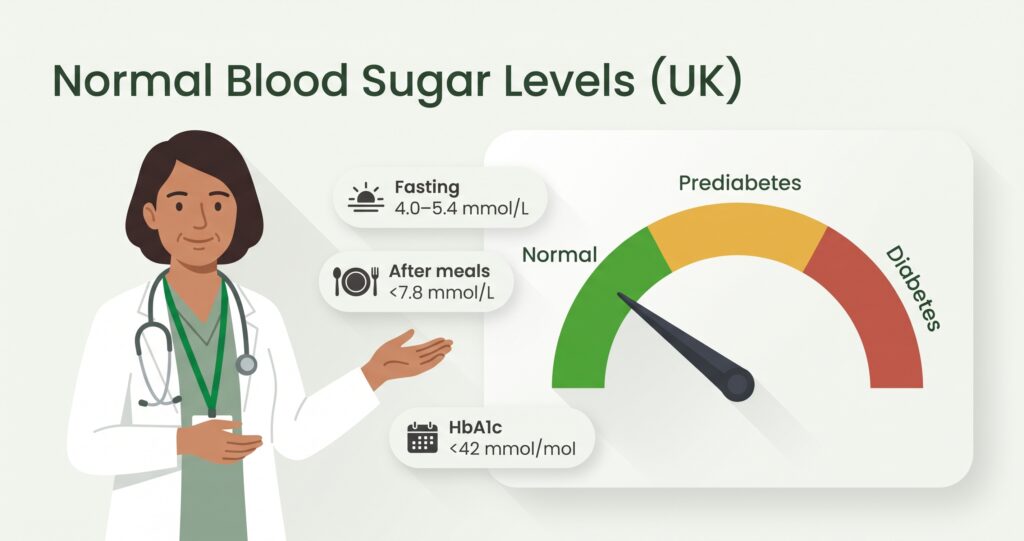
A normal blood sugar level for an adult without diabetes is 4.0 to 5.4 mmol/L when fasting, and under 7.8 mmol/L two hours after eating. On an HbA1c test, a normal result is below 42 mmol/mol (6.0%). Those figures are UK measurements. Blood glucose here is read in mmol/L, and the HbA1c test in mmol/mol, […]
How a Blood Test Can Help Explain Unintentional Weight Loss

A blood test can usually narrow down why you’re losing weight without trying. The most common findings are an overactive thyroid, undiagnosed diabetes, coeliac disease, and inflammation the body is quietly dealing with. How much weight loss matters: more than 5% of your body weight within six months, without changing your diet or exercise. That’s 3kg […]
Can I Fail a D4 Medical Because of High Blood Pressure?
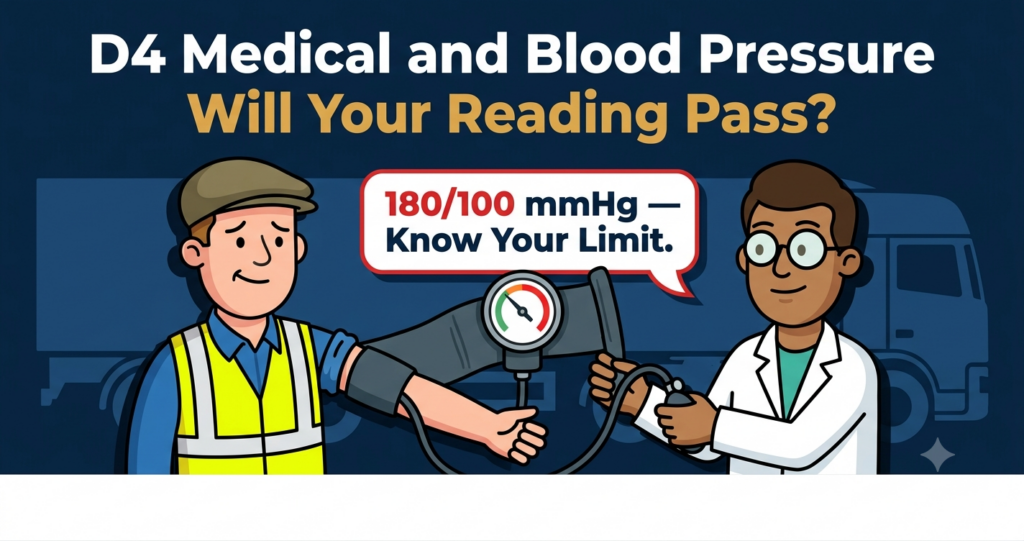
Yes, you can fail a D4 medical because of high blood pressure. If your reading is 180/100 mmHg or above at your examination, the doctor cannot certify you as fit to drive under DVLA Group 2 standards, and your D4 form will not be signed off. However, not every elevated reading means an automatic fail. […]
Which Blood Tests Are Worth Paying for Privately in the UK?
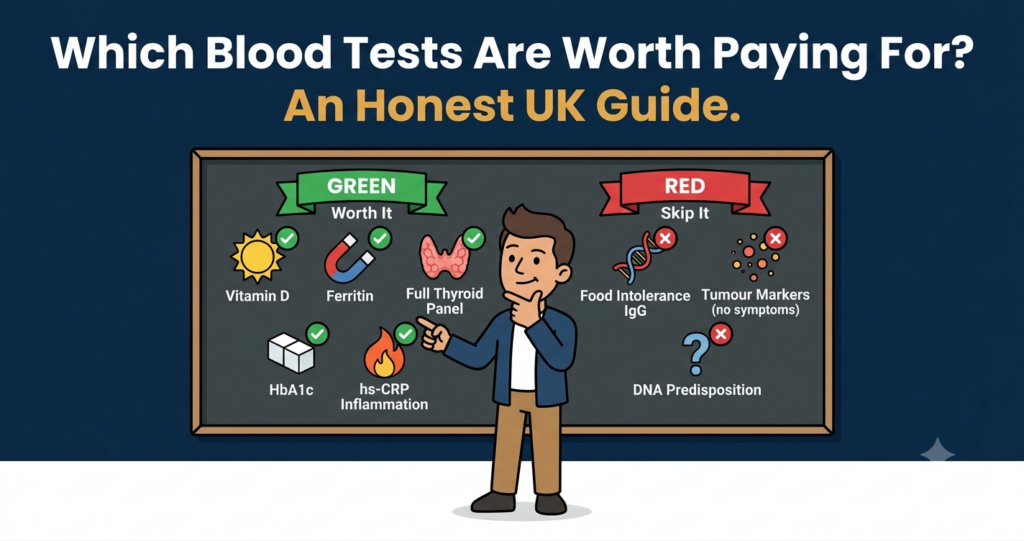
Not every private blood test is worth paying for. Some tests give you genuinely useful clinical information that the NHS does not routinely provide. Others are marketed aggressively but have weak clinical evidence, high false-positive rates, or simply duplicate what your GP can already order for free. This guide identifies the private blood tests that […]
What Does a Liver Function Test Show and When Should You Get One?
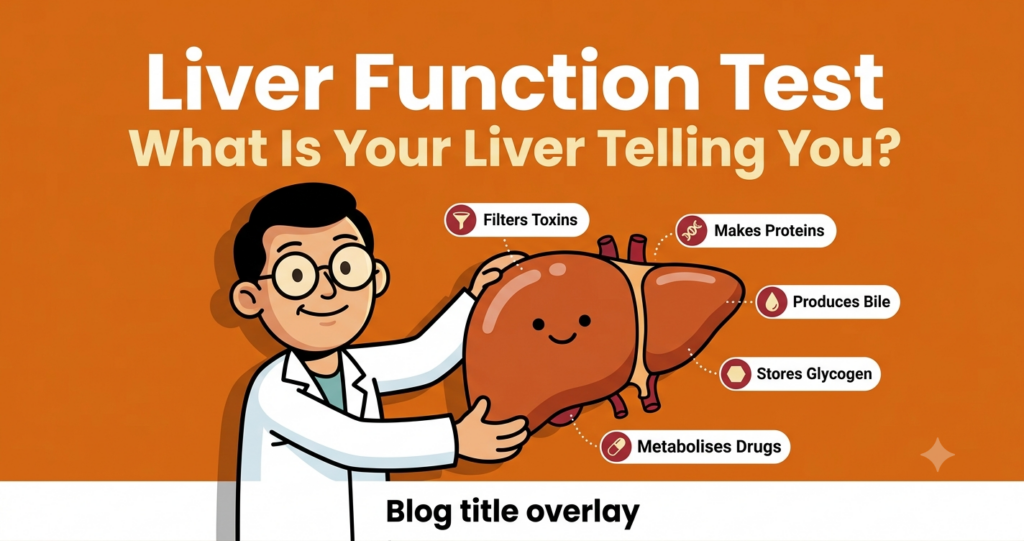
A liver function test (LFT) is a blood test that measures specific enzymes, proteins, and substances produced or processed by the liver. The test reveals whether the liver is inflamed, damaged, obstructed, or struggling to carry out its essential roles. Because liver disease often develops without obvious symptoms until it has progressed significantly, an LFT […]
What Does a Full Blood Count Test Show and Do You Need One?
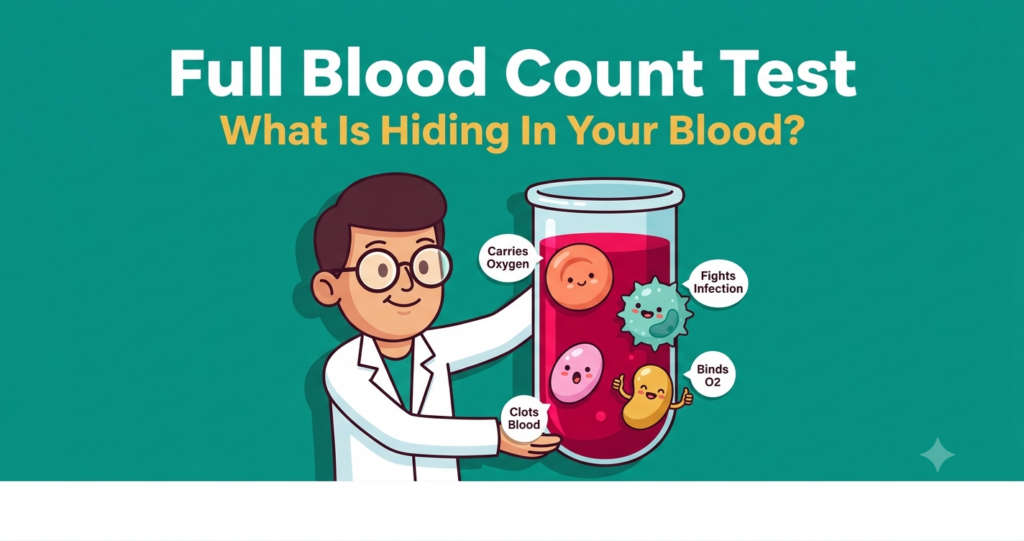
A full blood count (FBC) test measures the levels and characteristics of red blood cells, white blood cells, and platelets in a single blood sample. It is one of the most commonly ordered tests in UK healthcare because it gives clinicians a broad, accurate picture of blood health, immune function, and potential underlying conditions. If […]
What Is a Phlebotomist? The Role, Skills and What to Expect
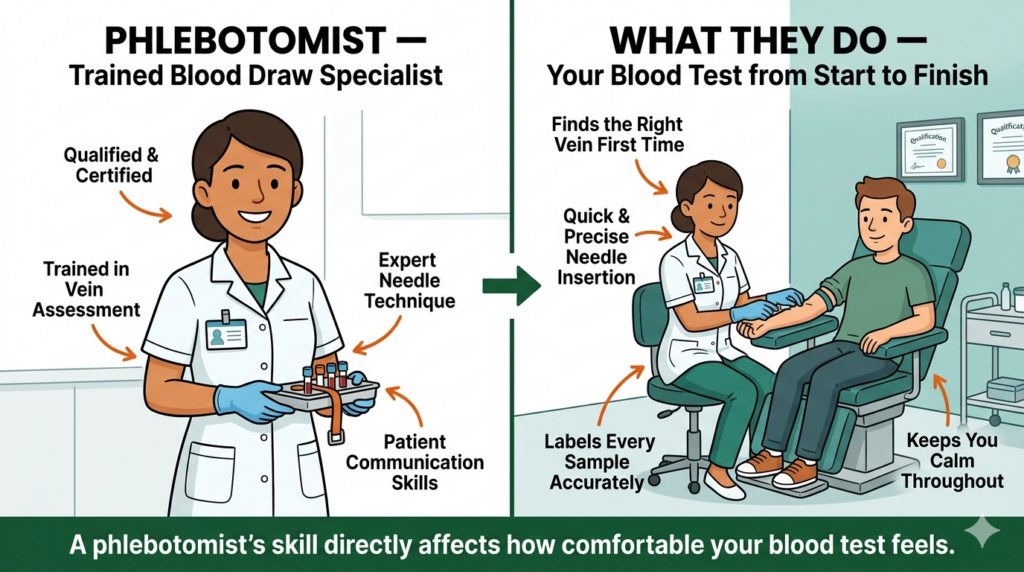
If you have ever had a blood test, one person made it either quick and painless or slow and uncomfortable. That person is a phlebotomist. Most people have no idea what a phlebotomist is, what they have trained to do, or why it matters. They just remember whether the needle hurt or not. The truth […]
What Cancers Are Detected by Blood Tests? Complete UK Guide

💬 Summarize withChatGPT So, can a blood test detect cancer? Sometimes directly, and sometimes only as a warning sign that needs follow-up. Here is what blood tests can and cannot find. Blood tests can directly detect blood cancers including leukaemia, lymphoma, and multiple myeloma through abnormal cell counts and protein levels. For solid tumours, blood […]
Can You Eat Before a Blood Test? Fasting Rules Explained
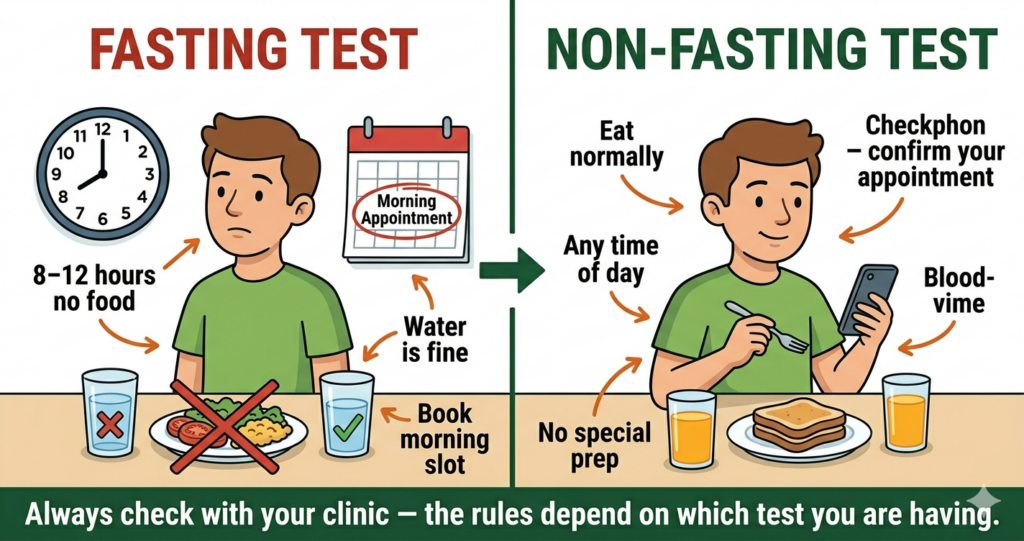
Whether you can eat before a blood test depends entirely on which test you are having. Fasting blood tests including glucose, cholesterol, and iron studies require 8 to 12 hours without food beforehand. Non-fasting tests including full blood count, thyroid function, and HbA1c can be done at any time, whether you have eaten or not. […]